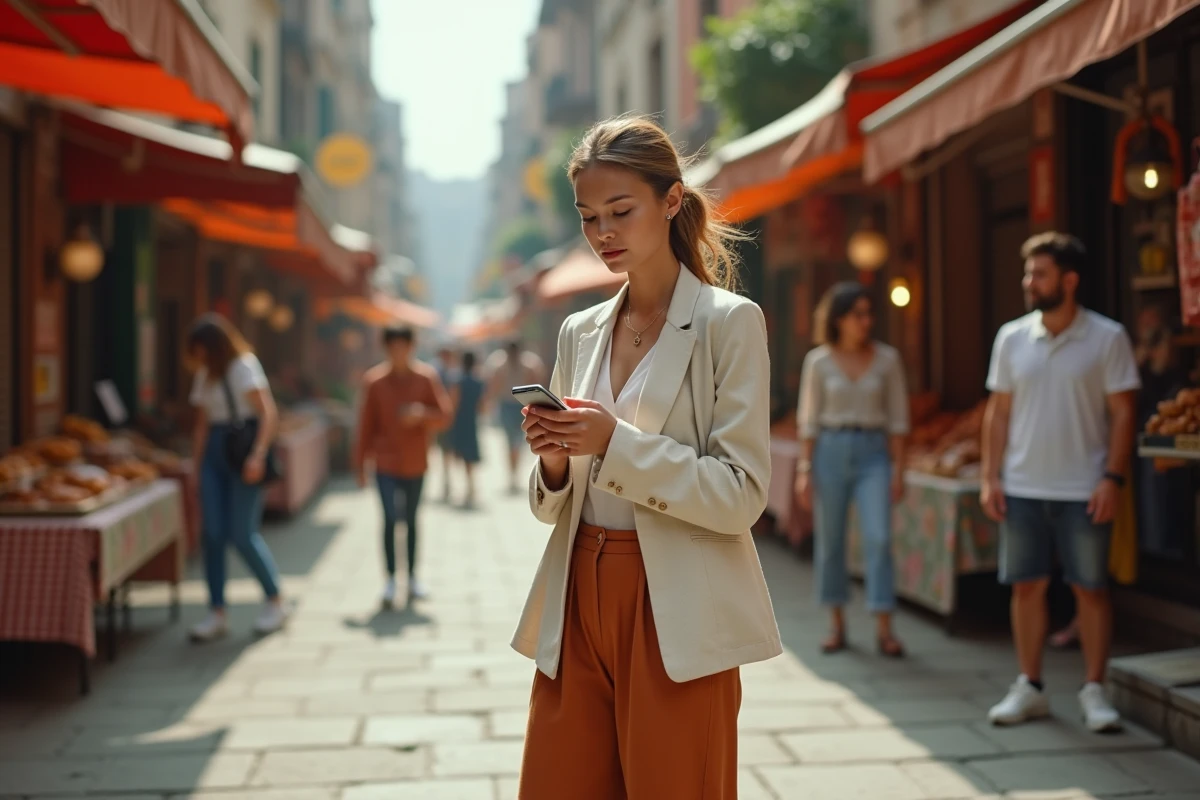
When talking about fashion and youth, the question rarely focuses on the clothes themselves. What is at play is a system of signals: belonging to a group, social positioning, relationship to the body.
Social media occupies a central place in the daily lives of 15-24 year-olds, much more so than in the rest of the population. This usage gap shapes the way this generation consumes, adopts, and subverts fashion codes.
Gendered Fashion Codes: What Recent Surveys Reveal
Studies conducted among young adults highlight a clear shift. Young adults report placing importance on their appearance, but the criteria for judgment have changed. The notion of style now takes precedence over that of brand.
This shift has direct consequences on how the fashion industry addresses this age group.
| Criterion | Previous Generation | 18-25 Year-Olds Today |
|---|---|---|
| Main Reference | Visible brands and logos | Personal style, visual coherence |
| Dominant Influence Channel | Magazines, TV advertising | Social media (Instagram, TikTok) |
| Relationship to Gender | Highly segmented fashion codes | Less gendered codes |
| Relationship to Trends | Seasonal following (collections) | Rapid micro-trends, recycling of styles |
The table reflects a structural shift. Influence no longer descends from a small number of fashion houses to the general public. It circulates horizontally, driven by content creators and peers. To delve deeper into the evolution of fashion among young people, this network dynamic must be integrated into any serious analysis.
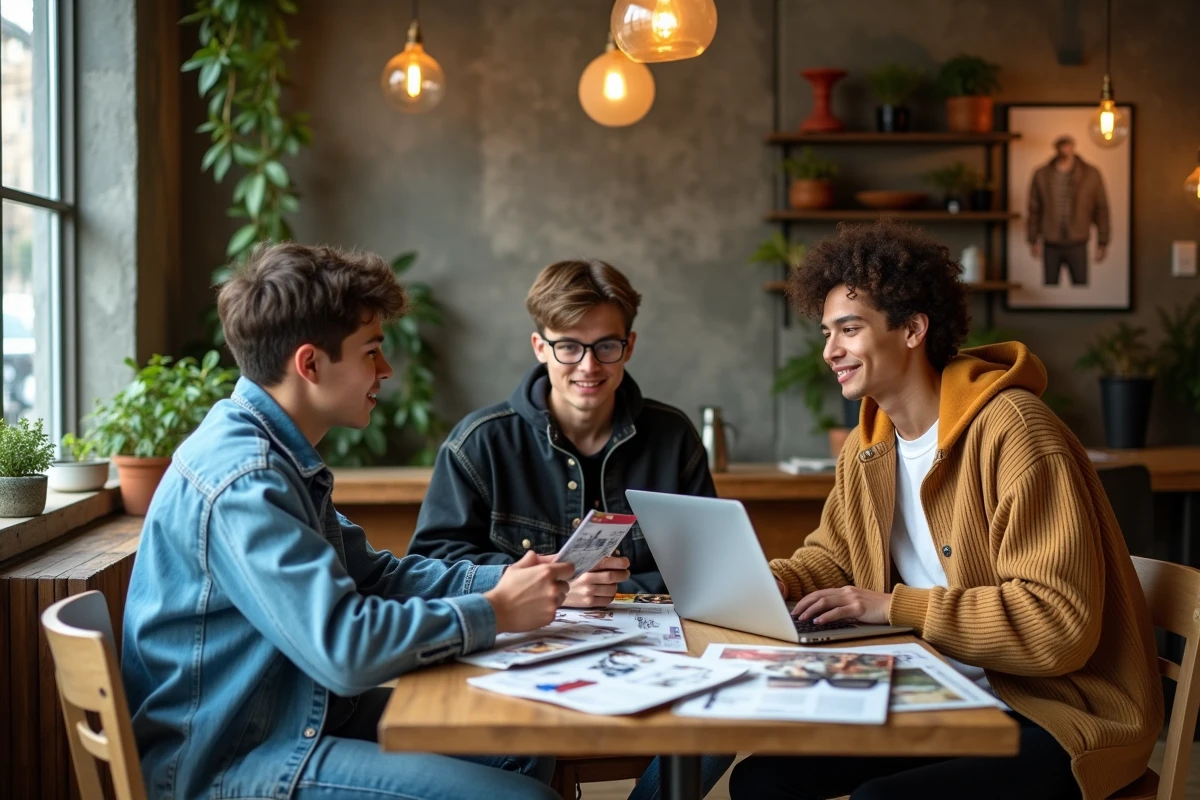
Influence of Social Media on Young People’s Style: Concrete Mechanisms
The phenomenon goes beyond mere exposure to outfit photos. Social platforms have altered the life cycle of a fashion trend. A style can emerge, spread, and disappear within a few weeks, whereas a traditional collection would cover six months.
Micro-Trends and Accelerated Obsolescence
On TikTok, a fashion hashtag can generate millions of views in less than 48 hours. This speed pushes fast fashion brands to shorten their production cycles. Young consumers face a constant renewal of offerings, which fuels a form of pressure for novelty.
The obsolescence of a garment becomes social before it is physical. A pair of jeans is not worn out; it has simply exited the flow of visible content.
Influencers and Style Prescribers
Celebrities still play a role, but niche influencers capture an increasing share of attention. Their strength lies in perceived proximity: same age group, same budget, same constraints. This register creates an identification effect that traditional advertising campaigns struggle to replicate.
- “Haul” content (showcasing recent purchases) normalizes the frequent consumption of clothing, making the act of buying spectacular and shareable.
- “Get ready with me” videos link outfit choices to a filmed daily ritual, reinforcing the connection between online identity and physical appearance.
- Fashion challenges impose a rapid adoption rhythm, where not participating equates to being invisible in the algorithm.
These formats transform fashion into a content in its own right, not just a product to buy.
Social Pressure and Self-Esteem Among Young Fashion Consumers
The question arises directly: are social media a “complex machine” for young people? Survey results suggest that the relationship is ambivalent.
On one hand, constant visibility on social media leads to increased scrutiny of one’s appearance. Constant exposure to retouched images creates a gap between the perceived body and the shown body. This tension affects self-confidence, particularly among adolescents in the midst of identity formation.
On the other hand, the diversity of styles accessible online allows some young people to find communities where their appearance is valued. Movements for body diversity and inclusion have gained visibility thanks to the same platforms that fuel complexes.
The problem is not fashion itself, but the speed at which aesthetic norms succeed one another. A teenager may feel in tune with a trend on Monday and outdated by Friday. This constant instability undermines the relationship to clothing as a stable tool for expression.
Sustainable Fashion and Youth: Between Discourse and Purchasing Practices
Surveys on young people’s values regularly show a high environmental awareness. Fashion is not exempt from this concern. Second-hand, vintage, and “upcycling” are part of the everyday vocabulary of 18-25 year-olds.
However, purchasing practices do not always align with the discourse. Fast fashion remains the first reflex for part of this generation, caught between budget constraints and the desire to frequently refresh their wardrobe.
- The second-hand market is growing strongly, driven by dedicated platforms and the social valorization of “vintage” on social media.
- Fast fashion brands are incorporating “conscious” or “eco-friendly” lines, but the proportion of truly sustainable collections remains marginal compared to the total volume produced.
- The “capsule wardrobe challenge” is gaining popularity online, proposing to limit the number of pieces worn in a season, which contradicts the dominant economic model.
This gap between stated convictions and purchasing behaviors constitutes one of the most revealing tensions in young people’s relationship with fashion today.
Personal Expression and Identity Through Clothing
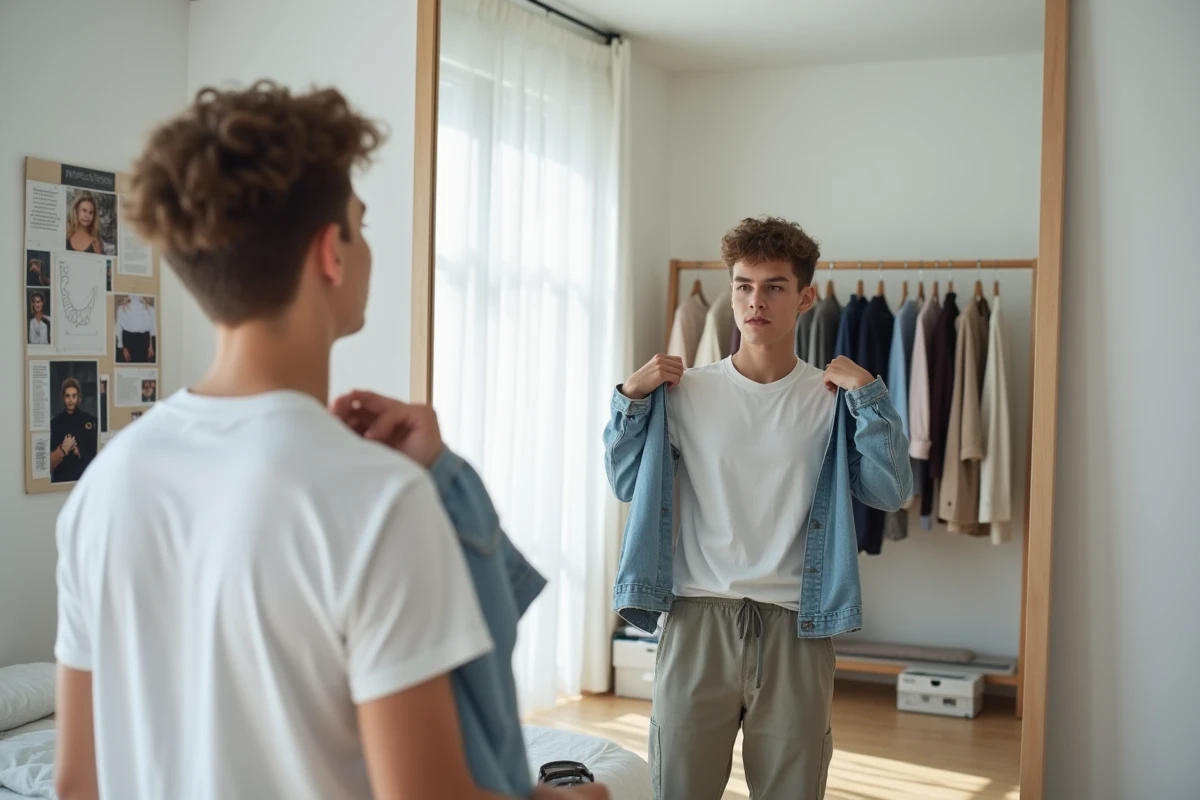
Fashion remains a vector of personal expression for young people, but the framework has changed. Fashion identity is now constructed in reflection of an online audience. Every outfit choice can be commented on, shared, compared.
Young people assert their right to difference while remaining sensitive to group codes. The word “stylish” recurs as a marker: being different, yes, but within the limits of an aesthetic recognizable by peers.
This dual constraint, singularity and conformity, structures the entire relationship of young people to fashion. Clothing is no longer just a functional or decorative object. It functions as a social language whose grammar is continuously rewritten, at the pace of algorithms and ephemeral trends. As long as social media dominates the daily lives of this generation, fashion will remain inseparable from the digital self-image.