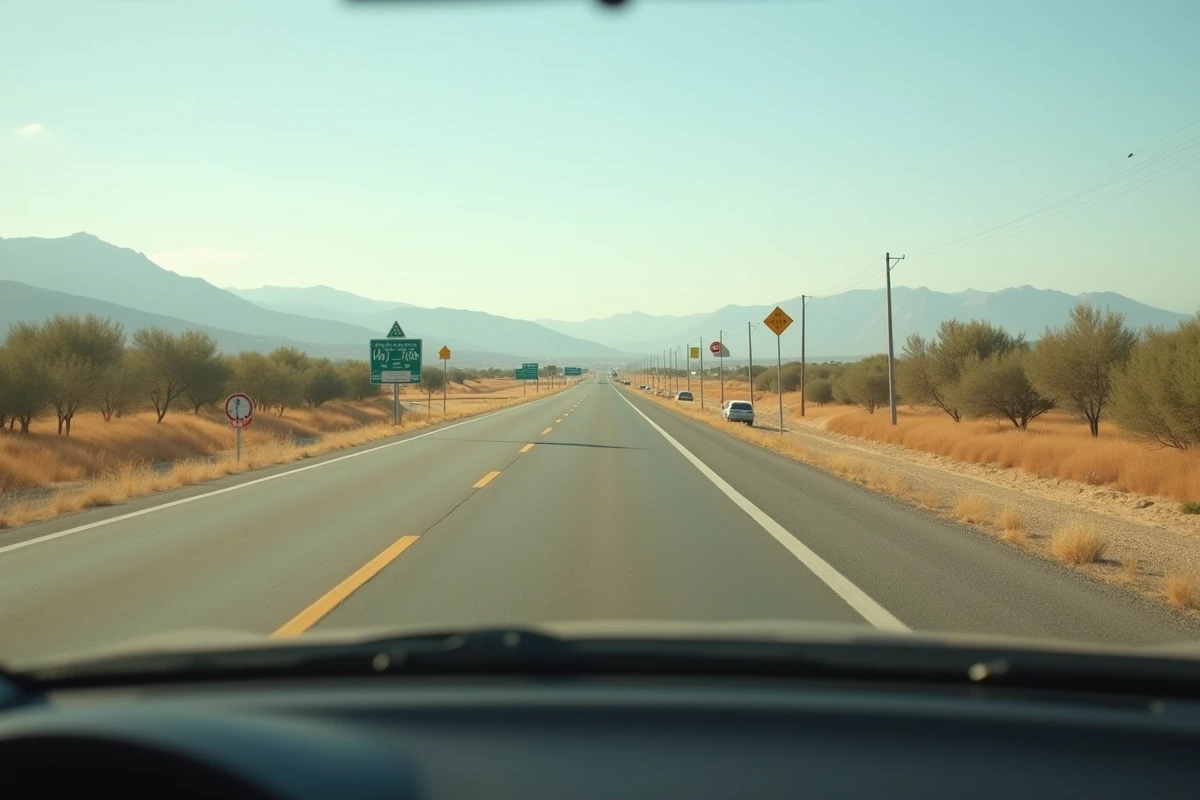
Leaving Perpignan via the A9, we pass La Jonquera, and the AP-7 unfolds its lanes all the way to Barcelona without a single toll barrier. For those discovering the Spanish network by car or camper van, the surprise is real.
Since the expiration of several private concessions, hundreds of kilometers of Spanish highways have become free, and the trend is extending to lesser-known regional sections. However, one must know where these routes are located and how to configure their navigation app to take advantage of them.
Autovías and former autopistas: understanding the nomenclature on the ground
Before planning a route, one must distinguish between two types of expressways in Spain. The autovías (prefix A-) are national roads with separated lanes, designed to be free. The autopistas (prefix AP-) were historically toll roads, managed by private concessionaires.
When a concession expires and the state takes over management, the autopista becomes free but may retain its old name for a while. The AP-7 along the Mediterranean coast, the AP-4 between Seville and Cadiz, the AP-1 in the Basque Country: these formerly toll roads no longer charge anything.
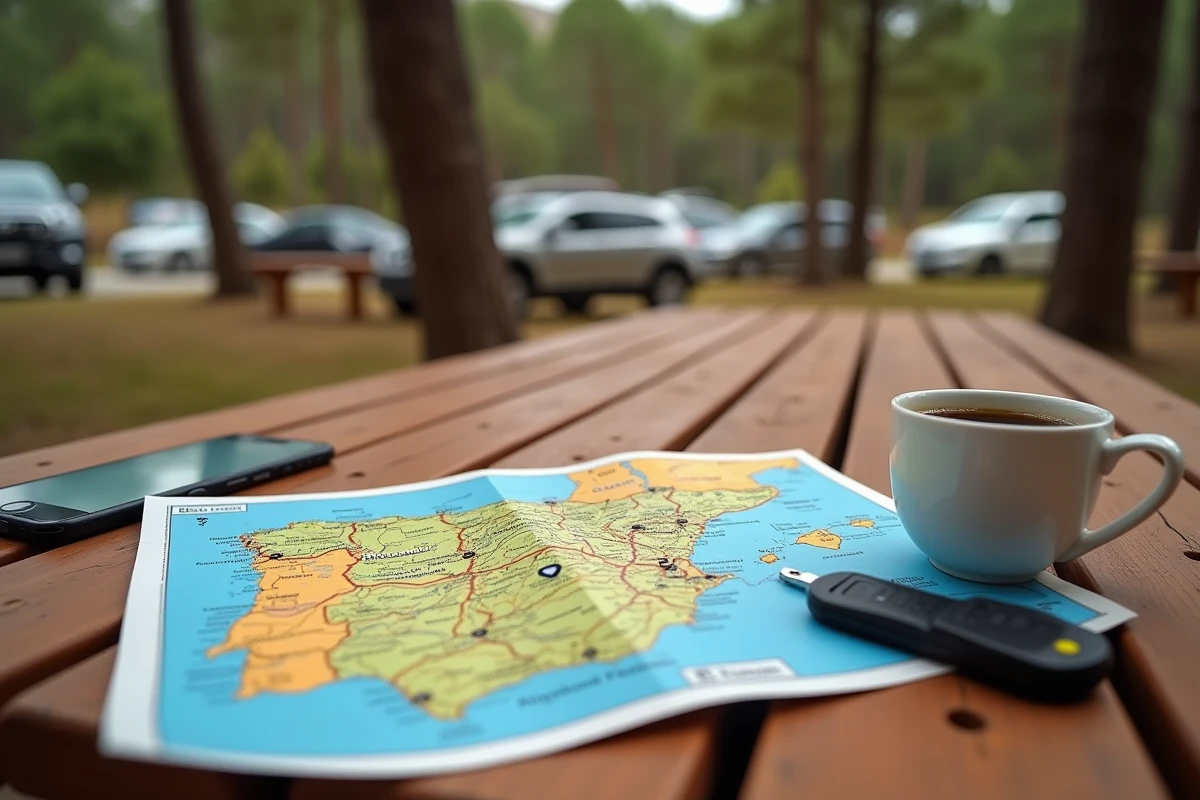
Since 2024, the national policy of reducing private concessions has also affected more regional sections, less documented in mainstream guides. A reliable overview can be found on the map of free highways in Spain which clearly distinguishes autovías from former autopistas that have been freed from tolls.
The concrete trap: some sections of the same highway alternate between free sections and sections still under concession. On the AP-7, for example, the Catalan part is free, but other segments in the Valencia region may still have barriers. Checking section by section remains necessary before departure.
Configuring Waze and Google Maps to avoid tolls in Spain
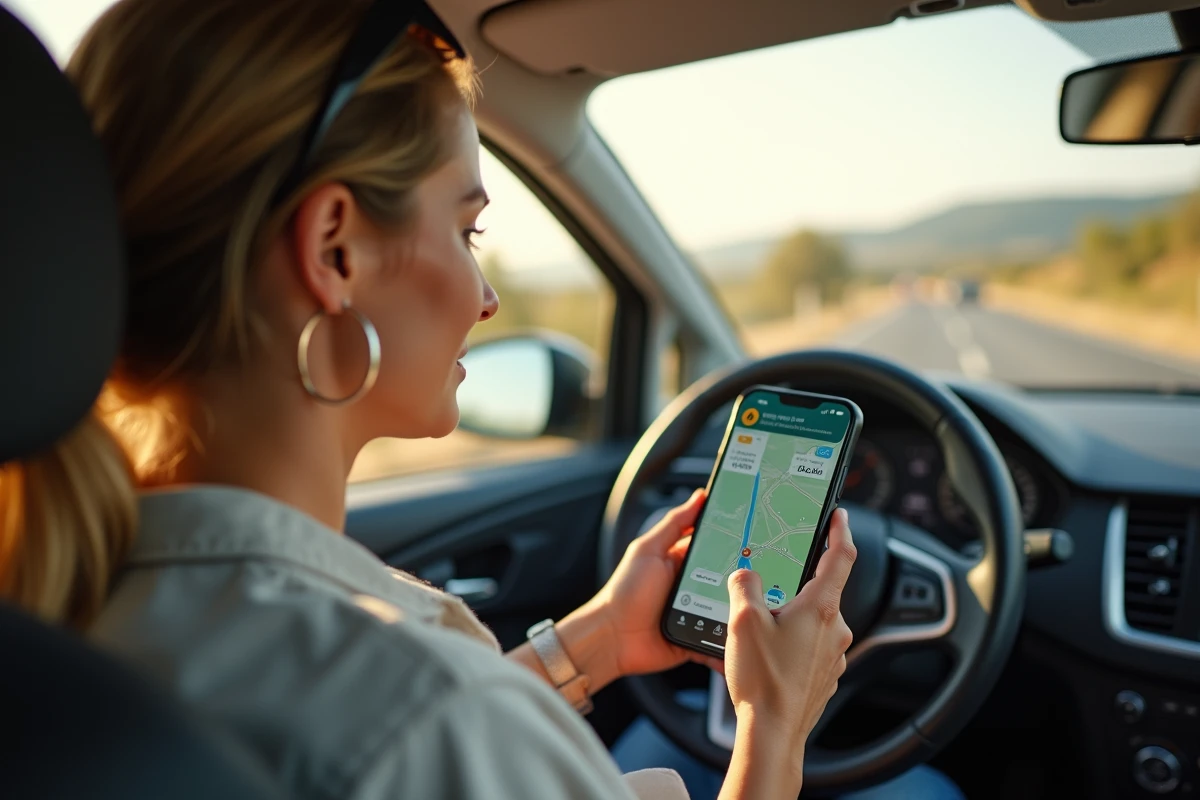
Having a static map is not enough. On the road, one needs a GPS that integrates real-time toll data. Both Waze and Google Maps offer an option to avoid toll roads, but their behavior differs significantly.
Waze: fine-tuning and radar alerts
In the navigation settings of Waze, activate “Avoid tolls” in the route preferences. The app then recalculates by favoring free autovías and freed former autopistas. Waze has a field advantage: community reports of mobile radars on free highways, where checks have intensified with increased traffic.
During the summer, the AP-7 experiences significant congestion, and Waze reflects these slowdowns in real-time with detour suggestions.
Google Maps: reliable but less responsive
Google Maps offers the same “Avoid tolls” option in its route settings. The app calculates coherent routes and accurately displays the estimated time. However, feedback varies on Google Maps’ responsiveness to road checks or temporary slowdowns on sections that have recently become free.
For a multi-day road trip, one can combine the two: Google Maps for overall trip planning, Waze for active navigation to benefit from community alerts.
Useful apps beyond GPS for a road trip in Spain
Navigation is just one part of the equation. Several apps cater to specific needs once on the Spanish network.
- Caramaps: a reference for camper van users, this app lists service areas and parking spots in Spain. The free access to new sections has redistributed the traffic of areas near former toll barriers, and Caramaps regularly updates this data.
- Park4Night: complementary to Caramaps, it focuses more on nature spots and tolerated parking for camper vans. User reviews highlight accessible locations from exits of free highways.
- TravelSpend: to track travel budget in real-time. Users can log expenses for fuel, meals, and accommodation, allowing them to concretely measure savings made by avoiding tolls.
Local Spanish mobility apps also deserve attention. For public transport in major cities (Madrid, Barcelona, Seville), regional apps like those for intercity bus networks complement highway GPS when leaving the car in a park-and-ride.
Camper vans and converted vans on Spain’s free highways
The freeing of toll sections since 2024 has changed the habits of camper van users traveling through Spain. Free access to express routes reduces the temptation to stay on congested national roads near the Mediterranean coasts.
A specific point of caution: some former autopistas impose weight restrictions, particularly the AP-1. Before committing with a heavy camper van, one should check the signage in advance or consult the technical sheets on Caramaps.
The “mixed free highway + nature area” itinerary has become a common formula. One drives on the autovía in the morning, leaves the route in the middle of the day to reach an area listed on Park4Night, and departs the next day. This approach works particularly well on the Mediterranean coast between the French border and Almería.
Toll badges: still useful for remaining sections
Not all Spanish highways are free. Several routes in the north (Basque Country, Navarre) and around Madrid still have active tolls. If the journey requires passing through these sections, a toll badge remains relevant.
Toll badge offers have become more flexible in recent years, with options that do not require commitment or fixed subscriptions. The cost of accessing tolls is becoming flexible, which changes the decision-making between “all free but longer” and “toll section to save time.” This choice is evaluated trip by trip rather than applying a general rule.
The free Spanish network continues to expand as concessions end. Updating navigation apps before each departure and cross-referencing information with a dedicated map remains the most reliable method for driving without unpleasant surprises.